
Garage Door Safety Check Guide

Enter our next Draw for a $500 Bunnings, Coles or Woolworths Gift Card. (Winner chooses)
Drawn Dec 20, 2026 at 6pm
Select the type of Garage Door you have.
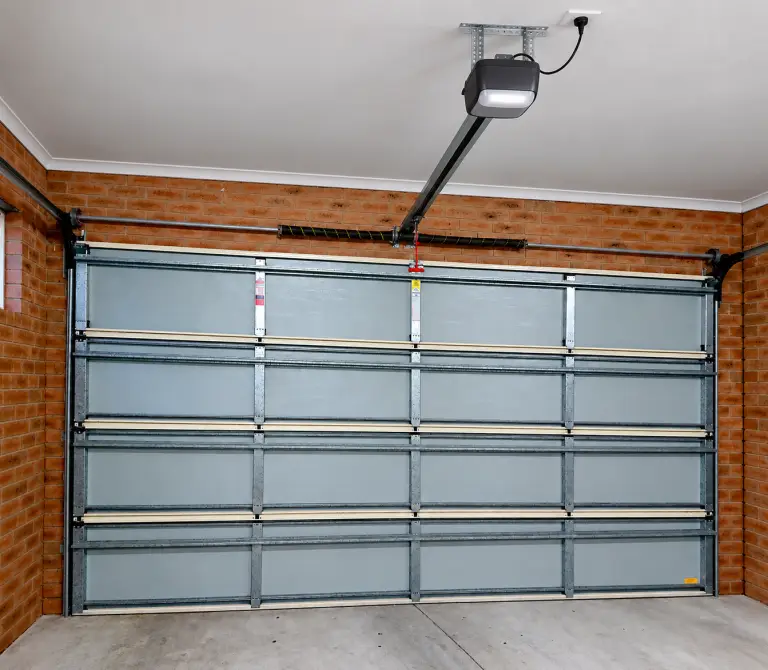
PANEL DOOR
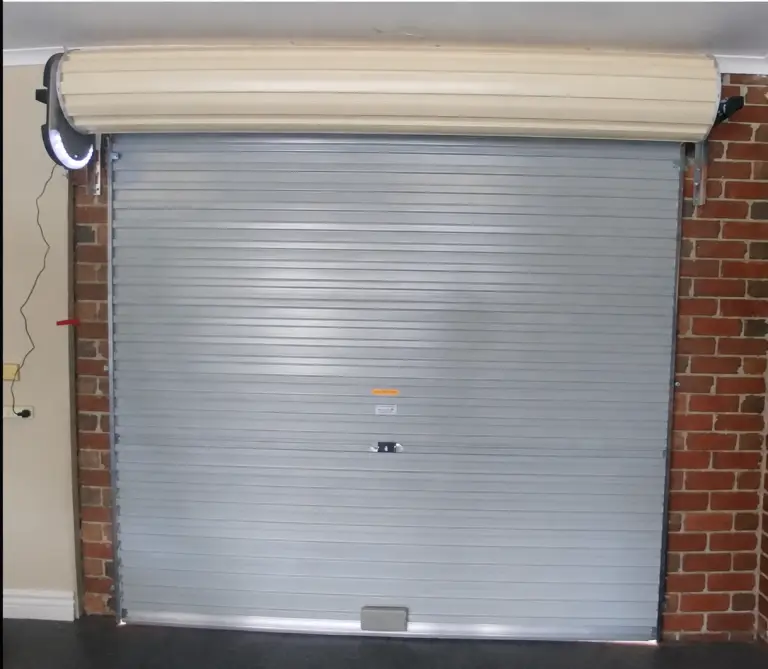
ROLLER DOOR
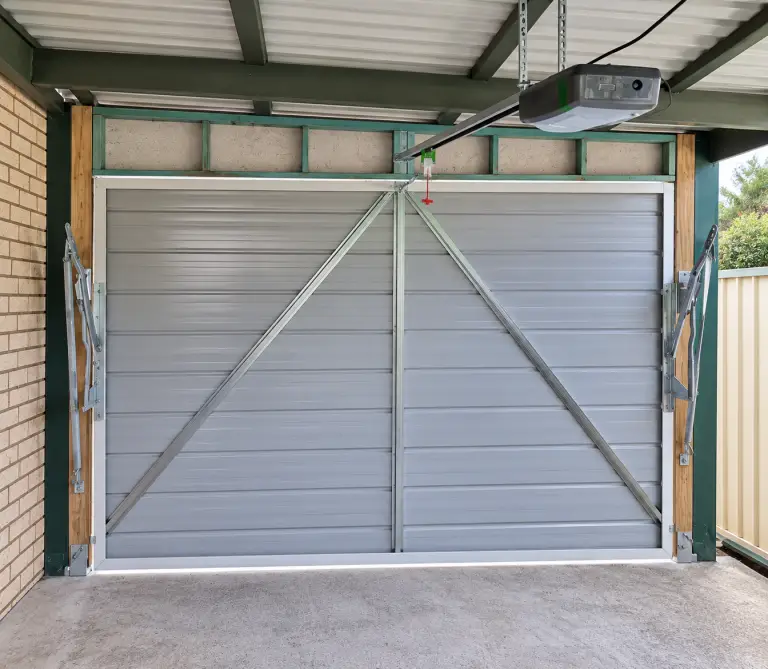
TILT DOOR
PANEL DOOR SAFETY CHECK
A sectional garage door is large, heavy and operates under significant spring tension. This quick check can help identify common safety problems before they cause damage or injury.
Before You Begin
Keep children, pets and vehicles away from the door. Never loosen or adjust springs, cables, cable drums, hinges, tracks or bottom brackets yourself.
1. Check the Springs and Cables
With the door fully closed, look above and along both sides of the door.
Check for:
Rusty, broken or separated springs
Loose, rusty, frayed or damaged cables
A cable that has come off its drum
Bent, loose or damaged brackets
Do not operate the door if anything looks damaged. Call a garage-door professional.
2. Watch and Listen
Open and close the door once while standing safely inside the garage.
The door should:
Move smoothly and evenly
Remain level from side to side
Travel without shaking, scraping or jerking
Operate without loud bangs, grinding or popping sounds
Stop using the door if one side rises faster than the other or a cable becomes loose.
3. Test the Door Balance
Only perform this test if the springs and cables appear undamaged.
Close the door completely.
Turn off or unplug the opener.
Pull the manual-release cord.
Lift the door carefully from the centre to approximately waist height.
The door should move smoothly and remain approximately in position.
If it feels unusually heavy, shoots upward or falls toward the floor, lower it carefully and arrange a professional service. Do not attempt to adjust the springs yourself.
Reconnect the opener according to its operating instructions.
4. Test the Automatic Reverse
Place a solid piece of timber approximately 40 mm high flat on the floor beneath the centre of the door.
Close the door using the opener. When the bottom of the door touches the timber, it should stop and reverse.
If it continues pushing downward, stop using the automatic opener and have it inspected.
5. Check the Safety Beams
If safety beams are fitted, begin closing the door and interrupt the beam with a broom handle or similar object—without placing yourself beneath the moving door.
The door should stop and reverse immediately.
Wipe dust and cobwebs from the beam lenses and make sure both sensors remain aligned.
Call a Professional If You Notice:
A broken spring
Frayed, loose or damaged cables
A door that feels unusually heavy
Uneven or jerky movement
The door dropping when disconnected
Loud banging, grinding or popping noises
The door failing to reverse
Loose, bent or damaged hardware
Important Safety Warning
Garage-door springs and cables can store enormous force. Never attempt to loosen, adjust, remove or repair them yourself. This check does not replace regular professional servicing.
ROLLER DOOR SAFETY CHECK
Before You Begin
Keep children, pets and vehicles away from the door. Never loosen or adjust the axle, springs, end brackets, opener, guides or mounting hardware yourself.
1. Check the Roll and Brackets
With the door fully closed, stand inside the garage and inspect the rolled curtain above the opening.
Check for:
-
Loose, bent or cracked mounting brackets
-
Movement between a bracket and the wall
-
A roll that appears uneven or off-centre
-
Loose bolts or damaged fittings
-
Signs that the axle has shifted sideways
Do not operate the door if a bracket or mounting point appears damaged or loose. Call a garage-door professional.
2. Check the Curtain and Guides
Look over the door curtain and both vertical guides.
Check for:
-
Bent, damaged or separated curtain slats
-
The curtain rubbing heavily on one side
-
A bottom rail that is no longer level
-
Loose, bent or damaged guides
-
Stones, leaves, dirt or other objects inside the guides
Remove loose dirt carefully, but do not place your fingers inside the guides while operating the door.
3. Watch and Listen
Open and close the door once while standing safely inside the garage.
The door should:
-
Move smoothly and evenly
-
Remain level from side to side
-
Roll neatly onto the drum
-
Operate without shaking, scraping or jerking
-
Run without loud banging, grinding or popping sounds
Stop using the door if the curtain travels unevenly, comes out of a guide or begins rolling to one side.
4. Test the Door Balance
Only perform this test if the brackets, curtain and guides appear undamaged.
-
Close the door completely.
-
Turn off or unplug the opener.
-
Make sure any manual door lock is unlocked.
-
Pull the manual-release cord or lever.
-
Carefully lift the door to approximately waist height.
The door should move smoothly and remain approximately in position.
If it feels unusually heavy, shoots upward or falls toward the floor, lower it carefully and arrange a professional service. Do not attempt to adjust the spring tension yourself.
Reconnect the opener according to its operating instructions.
5. Test the Automatic Reverse
Check your opener’s manual before conducting this test.
Place a solid piece of timber approximately 40 mm high flat on the floor beneath the centre of the door.
Close the door using the opener. When the bottom rail touches the timber, the door should stop and reverse.
If it continues pushing downward, stop using the automatic opener and have it inspected.
6. Check the Safety Beams
If safety beams are fitted, begin closing the door and interrupt the beam with a broom handle or similar object—without placing yourself beneath the moving door.
The door should stop and reverse immediately.
Wipe dust and cobwebs from the beam lenses and check that both sensors remain aligned.
Call a Professional If You Notice:
-
Loose or damaged end brackets
-
An axle or roll that has moved sideways
-
A curtain that is rolling unevenly
-
The curtain coming out of a guide
-
A door that feels unusually heavy
-
The door dropping when disconnected
-
Loud banging, grinding or popping noises
-
The door failing to reverse
-
Bent, loose or damaged hardware
Important Safety Warning
The spring mechanism inside a roller door can store enormous force. Never attempt to loosen, adjust, remove or repair the axle, springs or end brackets yourself. This safety check does not replace regular professional servicing.
TILT DOOR SAFETY CHECK
A tilt garage door is a large, single-piece panel that swings outward and upward when opening. Its springs, counterweights, pivot arms and opener hardware can carry significant force, so regular safety checks are important.
Before You Begin
Keep children, pets and vehicles away from the garage. Make sure the area inside and outside the door is clear because a tilt door projects outward as it opens.
Never loosen or adjust the springs, counterweights, cables, pivot arms or mounting brackets yourself.
1. Check the Door Panel and Frame
With the door fully closed, inspect the inside of the door.
Check for:
Cracks, splits or damage in the door panel
Loose or damaged reinforcing braces
A bent or twisted door frame
Loose bolts, screws or mounting points
One side of the door sitting higher than the other
Do not operate the door if the panel or frame appears damaged or unstable.
2. Check the Pivot Arms and Side Mechanisms
Inspect the operating arms and brackets on both sides of the door.
Check for:
Bent, cracked or damaged arms
Loose brackets or mounting bolts
Missing or loose pins and fasteners
Excessive movement at the pivot points
One side looking different from the other
Arms rubbing against the wall, frame or door
Keep fingers, clothing and tools away from pivot points and moving arms.
3. Check the Springs or Counterweights
Tilt doors may use springs, counterweights or a combination of components to balance the door.
Look for:
Broken, stretched or damaged springs
Loose, frayed or damaged cables
Counterweights that appear loose or out of position
Damaged spring anchors or mounting brackets
Uneven tension between the two sides
Do not operate the door if any spring, cable, counterweight or mounting point appears damaged. Call a garage-door professional.
4. Check the Opener Connection
Inspect the opener rail, connecting arm and the bracket attached to the door.
Check for:
A loose or bent connecting arm
Cracks or movement around the door bracket
Loose ceiling supports
A rail that appears bent or out of alignment
Damaged wiring or a loose power connection
Do not use the automatic opener if its mounting or door connection appears loose.
5. Watch and Listen
Open and close the door once while standing safely inside the garage and away from the moving arms.
The door should:
Move smoothly and evenly
Remain level from side to side
Open without twisting or shuddering
Clear the garage opening without scraping
Operate without loud bangs, grinding or popping sounds
Stop using the door if one side moves faster than the other, the panel twists or a supporting arm jumps or binds.
6. Test the Door Balance
Only perform this test if all visible components appear undamaged.
Close the door completely.
Clear the area inside and outside the garage.
Turn off or unplug the opener.
Pull the manual-release cord.
Hold the door firmly and lift it slowly to approximately waist height.
The door should move smoothly and remain approximately in position.
If it feels unusually heavy, shoots upward or falls toward the floor, carefully close it and arrange a professional service. Do not attempt to adjust the springs or counterweights yourself.
Reconnect the opener according to its operating instructions.
7. Test the Automatic Reverse
Check your opener’s manual before performing this test.
Place a solid piece of timber approximately 40 mm high flat on the floor beneath the centre of the door.
Close the door using the opener. When the door contacts the timber, it should stop and reverse.
If it continues pushing downward, stop using the automatic opener and have it inspected.
8. Check the Safety Beams
If safety beams are fitted, begin closing the door and interrupt the beam with a broom handle or similar object—without placing yourself beneath the moving door.
The door should stop and reverse immediately.
Clean dust and cobwebs from the beam lenses and check that both sensors remain aligned.
Call a Professional If You Notice:
Damaged springs, cables or counterweights
Bent, cracked or loose pivot arms
Loose mounting brackets
A twisted or damaged door panel
Uneven or jerky movement
A door that feels unusually heavy
The door dropping when disconnected
Loud banging, grinding or popping noises
The door failing to reverse
A loose opener rail or connecting arm
Important Safety Warning
Tilt-door springs, counterweights and operating arms can store or support enormous force. Never attempt to loosen, adjust, remove or repair these components yourself. This safety check does not replace regular professional servicing.